Cybersecurity is now a board-level risk with operational, regulatory, and financial consequences. Yet many organisations still position the CISO as if the job were mainly technical.
That is a category error.
A modern CISO exists to deliver three outcomes:
- Truth: an unfiltered view of exposure and residual risk
- Decisions: clear risk trade-offs and explicit risk acceptance
- Resilience: proven ability to detect, contain, and recover
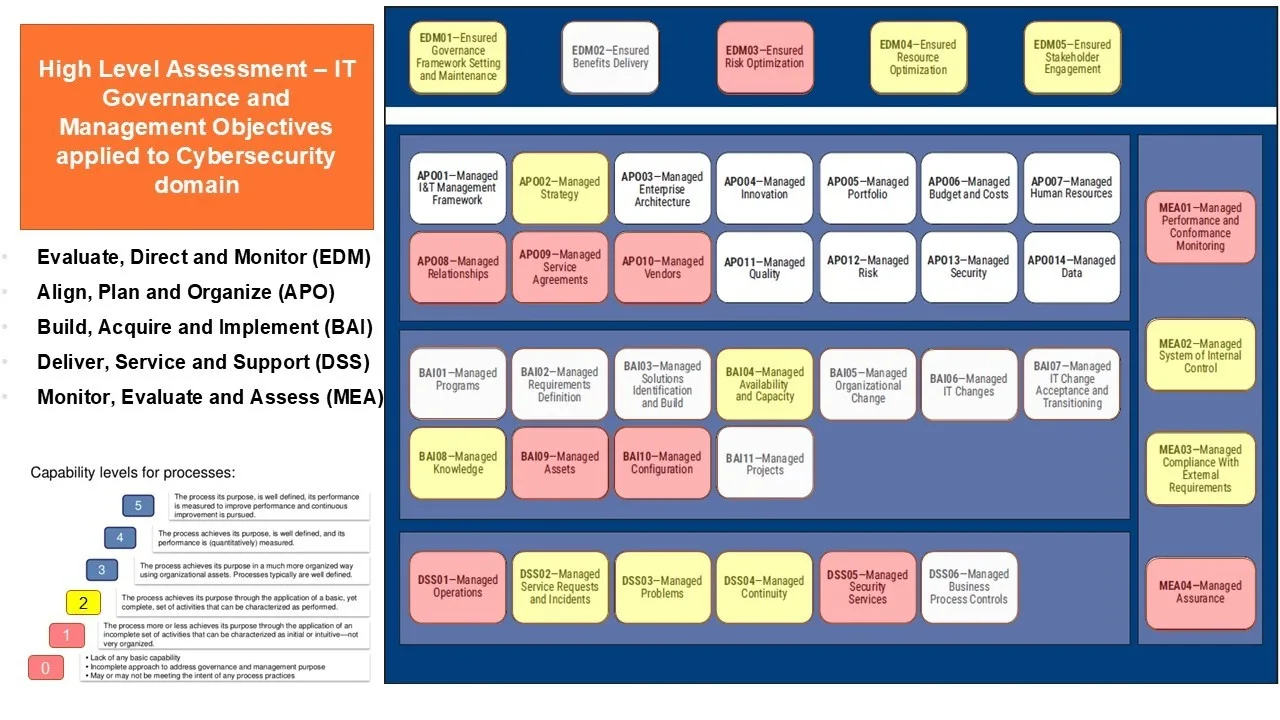
The hardest challenges are not tools. They are authority, alignment, and accountability across functions: IT, OT, procurement, suppliers, HR, legal, comms, and product teams.
The non-negotiable
If you want real risk governance, the CISO must be independent, with executive standing and a direct channel to the CEO and the Board (or Board risk committee).
Not for status. For integrity of decision-making.
What the Board should demand
Stop asking for dashboards. Ask for decisions:
- What are the top 3 scenarios that can stop the business?
- Where are we over risk appetite, and who owns it?
- How fast can we detect, contain, recover, and what evidence proves it?
- Which investments reduce impact fastest, with clear trade-offs?
If the board conversation does not end with owners and deadlines, it is reporting, not governance.
Provocation to close: In the next crisis, will your Board hear the truth early enough to steer, or only when there is no room left to choose?